How It Works
One record. Built once, extended forever.
Everything begins with a single record for a single work. It takes minutes to create and lasts indefinitely. The tools each role uses sit on top of it. So does every relationship, every sale, every loan.
The Art Record
Everything known about a work, in one place.
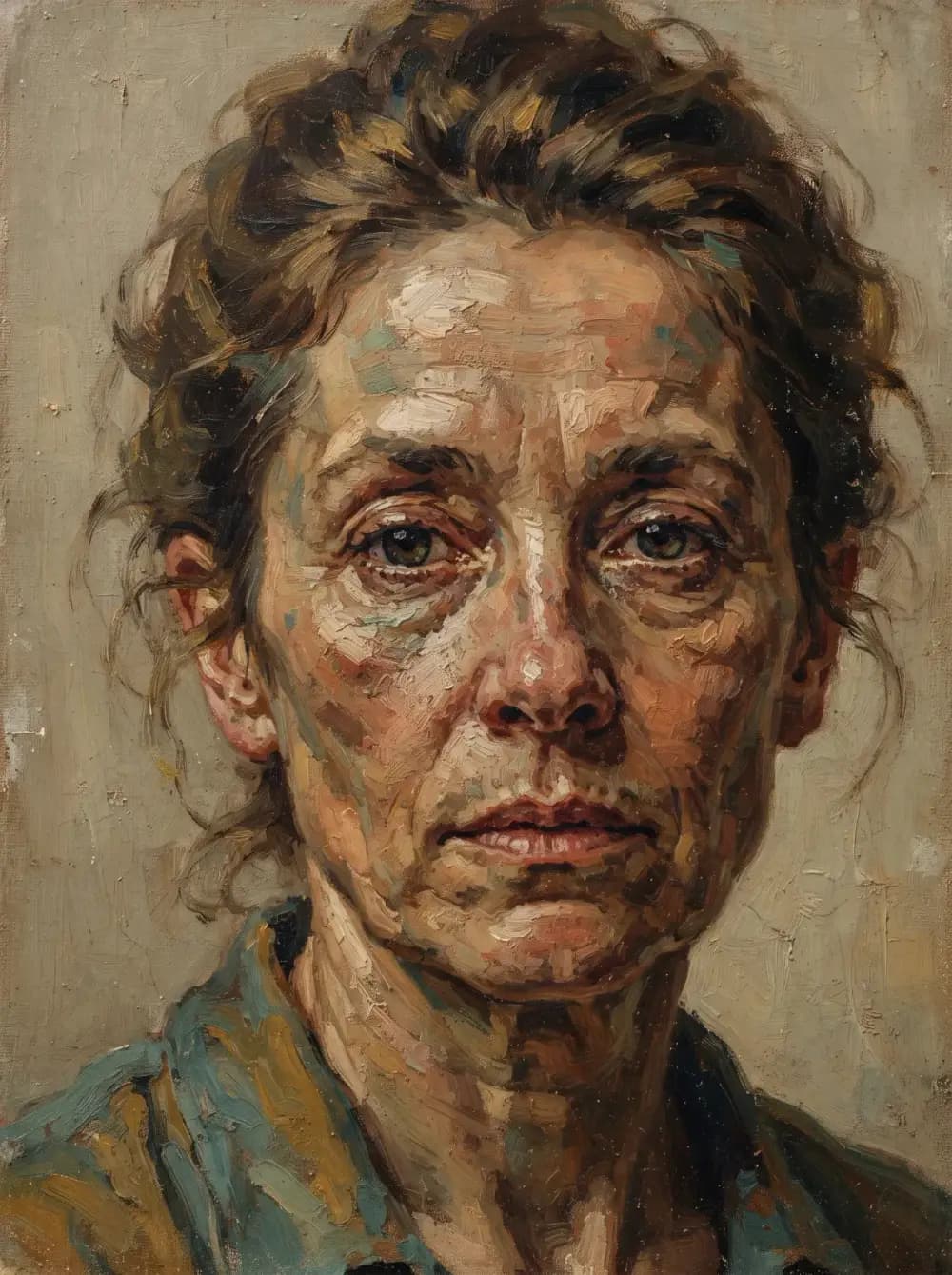
After a portrait · AA·00041 · recto
- Provenance
Studio → Art Basel → Private collection
6 transfers, each documented
- Exhibition
Foundation H, 2024
Wall text · catalogue entry · loan agreement
- Condition
Stable · last surveyed 11 May 2026
Conservator: A. Marotta
- Authenticity
Verified at source
Certificate linked · originating studio
- Ownership
Held, private
Shared only with permission
Every role contributes to the same record. The gallery adds exhibition context, the collector documents acquisition, the conservator logs condition, the institution records a loan.
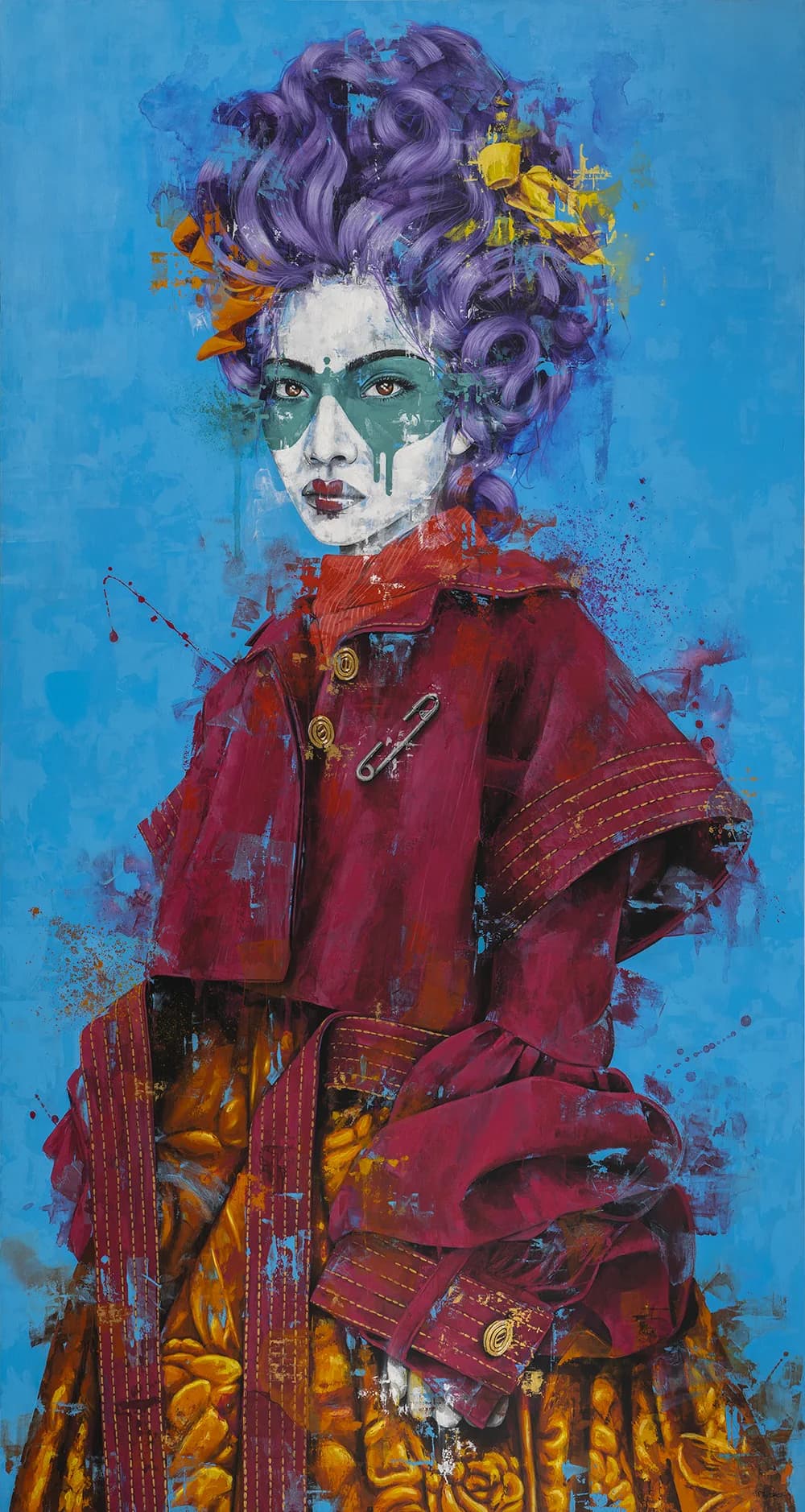
How the record earns its authority
Cumulative, not corrective.
A record here isn’t declared true at creation and defended by one authority. It accumulates. Every documented hand a work passes through adds weight, and a history built that way becomes hard to contradict, not because someone guards it, but because many independent sources corroborate it.
Records can merge, link, and strengthen over time. Conflicting claims stay visible instead of being overwritten. Gaps stay legible instead of hidden. Nothing is quietly revised away, which is precisely what makes misrepresentation hard to sustain. The record becomes the evidence.
Studio → Art Basel → Private collection → Conservation → Foundation H
6 transfers, each documented
A certificate is a claim. The record is evidence.
A traditional certificate is issued in a moment — a standalone document, easy to separate from the work, and only as strong as the single authority behind it. Here, a certificate is an expression of the record itself. It draws its weight from everything the record has accumulated: creation documented at the source, every transfer, exhibition, and conservation entry corroborating the claim.
Certificates carry the artist’s own identity and relationship with the collector, never a third party’s branding. They are not tied to any single authority or issuing event — any compliant system can issue or receive one, so a certificate stays verifiable even if a gallery closes or the software behind it disappears. And because the record is cumulative, the certificate strengthens with every documented hand instead of fading with time.
A certificate issued in a moment can be faked. A history accumulated over years cannot.
The Operating System
Run. Reach. Connect.
One source beneath all three.
01
Run
Operate your practice.
Operations, inventory, pipeline, linked accounts, ownership transfer, on records you own.
02
Reach
Extend beyond your walls.
Viewing rooms, showcases, subscriber networks. Audiences built on your terms, not an algorithm's.
03
Connect
Build relationships that persist.
Artist, gallery, collector, fair, and institution portals, linked by the record and compounding over time.
Discovery starts the relationship. The record keeps it. Someone finds your work through a showcase, a viewing room, or a marketplace, and the connection lands with you, not with a platform.
Free and complete for every role. Not a trial, not a reduced tier. If a capability is essential to doing the work, it’s included.
Marketplaces
Belong to the people who form them.
A marketplace here isn’t a platform we own. It’s a space created and owned by its participants, a gallery offering work to its collectors, a fair building a discovery experience, a group of artists organizing around a region. A marketplace of one is as valid as a marketplace of thousands. Each is a presentation layer; the records and relationships stay in each participant’s own portal.
You can join several at once, or leave, without duplicating records or fragmenting relationships. Because the record is shared and neutral, no marketplace owns provenance or history. They compete on trust, care, and relevance, and they succeed because participants choose them, not because leaving is costly.
Discovery here belongs to the people hosting it. When someone finds a work through a marketplace, the relationship that begins isn’t captured by the platform. It lands with the artist, the gallery, or the fair that earned it.
Below the line
Free. Permanently.
The record and the essential tools — documenting, running, connecting. Access is never charged.
How we sustain it · The sixth condition
Revenue lives above the foundation. Never inside it.
Real infrastructure has to meet a hard condition: revenue can never come from restricting access. So here it doesn’t. The record and the essential tools stay free, permanently. What sustains the foundation sits above it, chosen by participants who want efficiency and scale, never charged for entry.
A gallery automates a show, catalogs, collector outreach, interest lists, follow-ups, and wins back the hours a show usually eats. An estate coordinates print at rates no single estate could negotiate alone. Anyone growing reaches for analytics and planning that turn scattered records into clear decisions. A small fee applies only to sales completed through the infrastructure, never to the daily work of documenting, running, or connecting.
Those who need more pay for more. Everyone else keeps everything they need, for nothing. The foundation stays free. Always.
It starts with a single record.
Minutes to create. No approval, no migration, no waiting on anyone else to join. Everything else builds from there.