The art world runs on relationships.
Now its tools do too.
Complete free tools for every role — run your program, your inventory, your sales, your collection, your career — all built on one permanent shared record that stays yours.
Complete tools for every role
Works alone. Worth more connected.
When the middle disappears, the relationship shouldn’t disappear with it.
Artists
A permanent record for every work and a career that stays whole across every show, gallery, and sale. Work independently or as a team with the galleries who represent you. The record connects everyone who carries your work forward, and builds the archive your legacy will stand on.
Career record · Collector ties · Audience tools · Estate from day one
Galleries
Forge relationships you own, not rent. Make careers and hold the provenance that proves you did it. Showcase, transact, and run your program as a team with your artists, and with the galleries you share them with. Where rosters differ, you compete on program, not on locked in data.
Inventory · Viewing rooms · Collector pipeline · Sales · Portable provenance
Collectors
A private, permanent record of everything you hold. Provenance that protects value at every resale, advisor context that travels with the work, and relationships with galleries and artists on your terms, independent of any platform that comes or goes.
Private collection · Provenance · Discovery · Gallery relationships
Fairs
Carry your ecosystem between editions instead of rebuilding it each year. Every interaction traced to its source, data flowing back to every exhibitor. Proof of the value the fair created.
Exhibitor management · Collector attribution · Edition continuity
Estates
Authorship and provenance inherited intact, not reconstructed from fragments. A record spanning decades that keeps the catalogue, the market, and the legacy coherent.
Authorship · Catalogue support · Provenance · Legacy continuity
Institutions
Build on records that already exist. Exhibition history, loans, and conservation land on the same foundation the work arrived on. Scholarship that compounds instead of starting over.
Exhibition history · Loan records · Conservation · Research access
Every tool a role needs is included. Nothing essential sits behind a paid tier.
The infrastructure is running
Already in use across galleries, estates, collectors, and institutions — quietly, in the background, where infrastructure belongs.
- 400 galleries
- Manage artist relationships, inventory, collector history, and exhibition records as their complete operational foundation, on infrastructure they own, with data that stays with them.
- 50k artworks
- Carry permanent records that follow them across ownership, exhibition, and institutional care.
- 6k collectors
- Steward collections with records designed for decades, preserving provenance, coordinating loans, and planning succession on infrastructure that outlasts any platform.
- Leading art fairs
- Zona Maco, Material Art Fair, and Salon Acme return year after year as part of Mexican Art Week: three distinct fairs on unified infrastructure, each maintaining its own identity.
Art is built to last. Its records should be too.
A permanent, portable record for every artwork, part of a shared record that spans the art world. One record per artwork. Built over time. Portable across owners, institutions, and borders. Provenance accumulates. Trust carries forward.
Anyone can begin the record. The record grows from wherever it starts. The art record is what makes this infrastructure, not software.
- Inventoried
- AA · 00041
- Originated
- Studio, Mexico City
- Medium
- Oil on canvas
- Verified
- 11 May 2026
Art origin and history
2018 - 2026
Built for one moment: the sale.
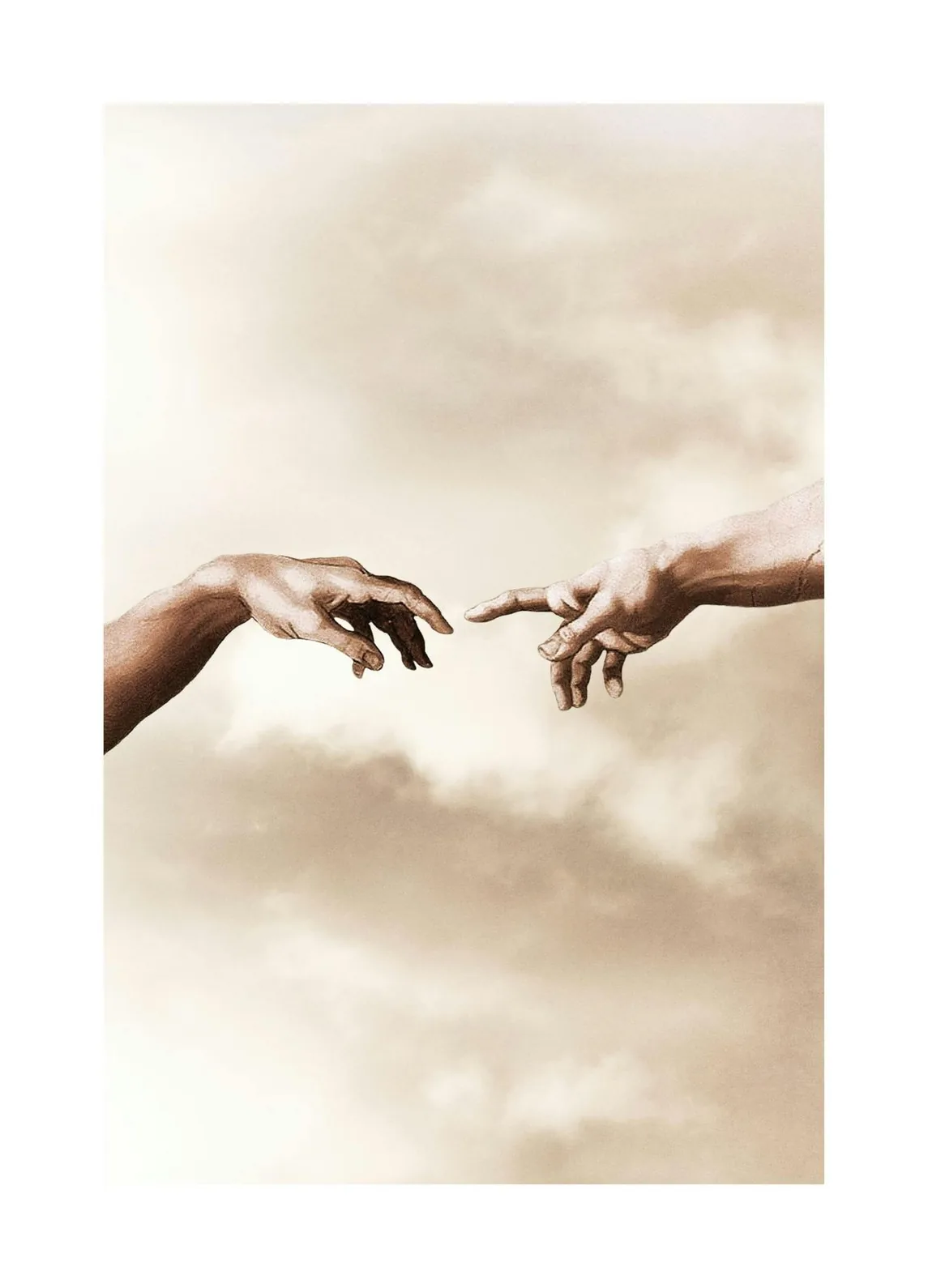
Every existing tool is built for one role and one moment: the sale. Inventory software for the gallery. A tracker for the collector. A marketplace for the buyer. And each is built to keep the connection inside its own walls.
So the moment a sale closes, a gallery shuts, or a subscription lapses, the record fragments and the relationship goes with it. Not by accident. The systems were designed to sit in the middle and own what passes through. An artwork, and the trust built around it, outlives all of them.
The fix isn’t a better version of these tools. It’s inverting what they were built on. They ignored the relationship, served one role, siloed the data, trapped it, and charged for access. Infrastructure built for the relationship does the opposite. The sale is one moment inside it, included, handled, never the point. One record underneath. Every role on top. Every connection yours.
What’s missing isn’t software
Existing platforms
A foundation
They can copy what we built. They can’t copy what we refuse to do.
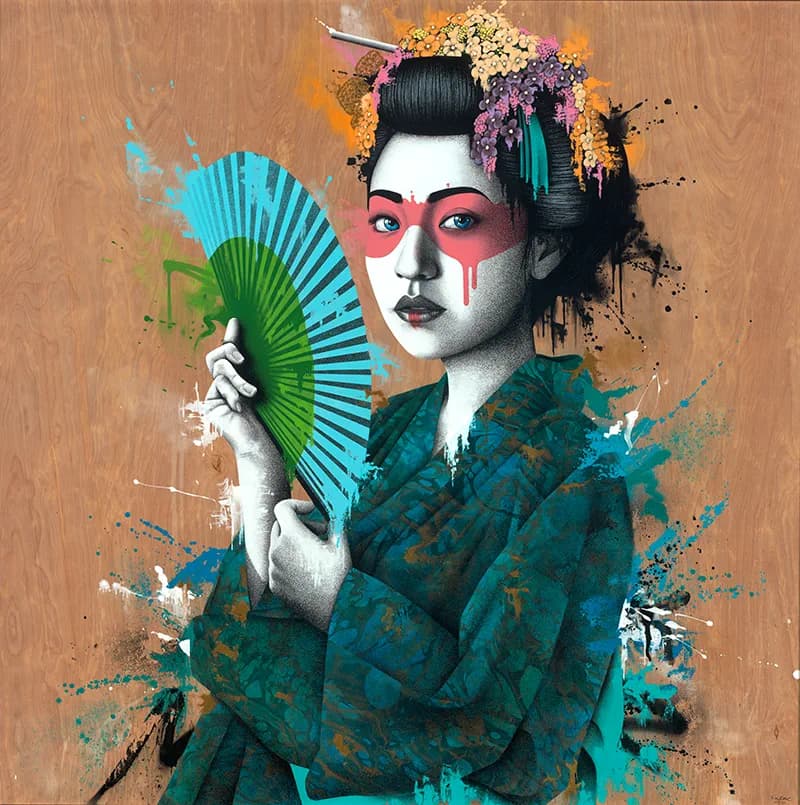
Six conditions, all at once
Miss one and it isn’t infrastructure, it’s another tool
A permanent shared record
One record per work. Owned by no platform.
Complete tools for every role
Free and whole. Nothing core held back.
Structural governance
Neutrality enforced, not promised.
Data and participant agency
Your data, records, and relationships stay yours.
Connected, on your terms
Operate alone. Connect by choice, never by force.
Built to last
Sustained from the top, never from access itself.
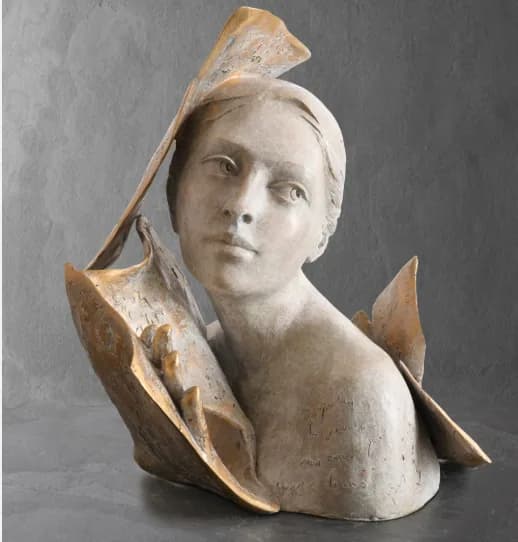
A shared system for the art world.
Built as a public benefit corporation. Designed to connect every role without sitting between them. The infrastructure stays invisible so the participants remain in the foreground.
Galleries, artists, collectors, and institutions operate independently, connected through a shared system of records. Structural protections. The foundation protects itself so you never have to.
Public Benefit Corporation.
Legal structure that prioritizes mission over profit. Commitments are obligations, not aspirations.
Code in escrow.
Independent trustees hold the codebase in escrow. If the corporation fails, the infrastructure continues.
Role neutrality.
No role is valued above another. The infrastructure never aims to make any role less important over time.
Non-competitive by design.
Built to support and amplify every role, never to compete with it.
How it sustains.
How is this free?
Because infrastructure only works if everyone can depend on it. That forces three non-negotiables: universal, with no price gate on participation; private and secure, yours by default; and able to connect, working on its own and interoperating only when you choose.
None of them survive a company that taxes access — so the foundation and the core tools stay free, permanently
So what do you do with my data and relationships?
Nothing. They're yours by default — protected, never exposed, never converted into leverage. Leave, and they go with you. That isn't a policy we could revise later; it's held in the structure itself.
Then how do you make money?
Above the foundation, never inside it. Charging for access caps who can join and breaks the neutrality infrastructure depends on. The larger opportunity is in what the foundation makes possible: bespoke services like certificates of authenticity, custom applications, websites, and print; analytics on permissioned data; efficiency and automation tools; enterprise and institutional deployments; and a third-party ecosystem — the bigger number.
Every one of them optional — never required to participate or run your role, but valuable and affordable if you need them.

The art tools.
Free and complete for every role. Run operations, inventory, and ownership. Reach audiences beyond physical walls. Connect artists, galleries, collectors, and institutions through shared records. Every tool a role needs is included. Nothing essential requires a paid tier.
Every role stays itself. Galleries run programs, artists build careers, collectors steward collections, institutions connect and extend interactions. Not dependent. Connected.